
Heart failure is a serious cardiovascular condition that develops when the heart cannot pump blood efficiently enough to meet the body’s needs. Many people overlook its early warning signs, assuming that tiredness, breathlessness, or reduced physical activity are simply part of ageing. For individuals seeking Heart Failure Treatment in Indore, Dr. Akhilesh Jain provides cardiac consultation in Tulsi Nagar, Nipania. As an Experienced Cardiologist in Indore, he evaluates different heart-related conditions and helps patients understand suitable management options.
Heart failure does not mean that the heart has completely stopped working. Instead, it means that the heart has become too weak or stiff to pump or fill with blood effectively. This can affect circulation throughout the body and may lead to fluid accumulation in the lungs, legs, and other tissues.
Recognising Heart Failure Symptoms at an early stage is important because timely diagnosis allows doctors to identify underlying cardiovascular problems. Patients searching for a Heart Doctor in Indore should pay attention to persistent breathlessness, unusual fatigue, swelling, and changes in their ability to perform everyday activities.
Consulting a Heart Failure Specialist in Indore can help patients understand the condition, its possible causes, and available management options. This article explains Heart Failure Treatment in Indore, including early warning signs, risk factors, diagnosis, medical treatment, and lifestyle changes that support long-term cardiovascular health.
What Is Heart Failure?
Heart failure is a medical condition in which the heart cannot pump sufficient blood throughout the body or fill properly between heartbeats. Since the heart supplies oxygen-rich blood to vital organs, reduced cardiac function can affect several body systems and make everyday activities more difficult.
In some individuals, the heart muscle becomes weak and loses its ability to contract effectively. In others, the muscle becomes stiff and cannot relax properly, reducing the amount of blood entering the heart between contractions. Both situations can interfere with normal circulation and may lead to fatigue, breathlessness, and swelling.
Heart failure can affect the left side, right side, or both sides of the heart. Left-sided heart failure commonly causes fluid accumulation in the lungs, while right-sided heart failure may result in swelling around the feet, ankles, legs, or abdomen.
Doctors also classify heart failure according to ejection fraction, which measures how much blood the left ventricle pumps out with each contraction. Heart failure with reduced ejection fraction involves impaired pumping ability, while heart failure with preserved ejection fraction generally involves difficulty relaxing and filling despite a relatively preserved pumping percentage.
Understanding the type and severity of the condition is an important part of planning Heart Failure Treatment in Indore. Dr. Akhilesh Jain, a Cardiologist in Nipania Indore, considers the patient’s symptoms, medical history, and diagnostic findings when discussing appropriate management options.
Early Heart Failure Symptoms You Should Never Ignore
Heart failure often begins with mild symptoms that gradually become more noticeable. A person may initially experience difficulty completing activities that previously required little effort. Recognising these changes is important because symptoms may worsen when the underlying condition remains untreated.
Dr. Akhilesh Jain advises individuals with existing cardiovascular conditions, diabetes, or hypertension to pay attention to persistent changes in breathing, physical stamina, and overall health. Consulting a Heart Specialist in Indore can help determine whether further cardiac investigations are necessary.
Early recognition also plays an important role in Heart Failure Treatment in Indore, as identifying symptoms promptly allows doctors to investigate underlying conditions and recommend suitable medical care.
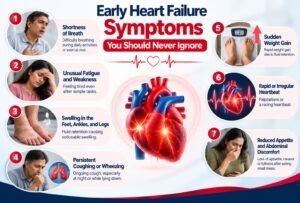
1. Shortness of Breath
Breathlessness is one of the most common early signs of heart failure. It may initially occur during physical activities such as walking, climbing stairs, exercising, or carrying groceries. As the condition progresses, some individuals may experience breathing difficulties even while resting.
Fluid accumulation in the lungs can make breathing uncomfortable, particularly when lying flat. Some patients may need additional pillows to sleep comfortably or wake up suddenly at night feeling short of breath. Persistent or worsening breathlessness should always be medically evaluated.
2. Unusual Fatigue and Weakness
Feeling tired after a physically demanding day is normal. However, unexplained exhaustion that continues despite adequate rest may indicate an underlying health concern. When the heart cannot circulate blood effectively, muscles and other organs may receive less oxygen-rich blood, making routine activities more tiring.
A person may notice that walking short distances, completing household work, or climbing a few stairs requires significantly more effort than before. Such changes should not automatically be attributed to ageing or poor fitness.
3. Swelling in the Feet, Ankles, and Legs
Swelling, medically known as oedema, can occur when fluid accumulates in body tissues. In patients with heart failure, impaired circulation and fluid retention may cause noticeable swelling around the ankles, feet, and lower legs.
Some individuals may observe that their footwear becomes tighter towards the evening or that pressing the swollen area leaves a temporary indentation. Although swelling can occur due to several medical conditions, persistent swelling accompanied by breathlessness or fatigue requires proper evaluation.
4. Persistent Coughing or Wheezing
An ongoing cough may sometimes be associated with fluid accumulation in the lungs. Patients may notice that coughing becomes more troublesome at night or while lying down. Wheezing or difficulty breathing may also develop in certain cases.
Because coughing can result from respiratory infections, allergies, asthma, and other conditions, it is important to identify the actual cause rather than assuming that it is always related to the lungs.
5. Sudden Weight Gain
Unexplained weight gain over a short period may be associated with fluid retention rather than an increase in body fat. In patients already diagnosed with heart failure, monitoring body weight can help identify changes that require medical attention.
Dr. Akhilesh Jain recommends that patients follow their treating doctor’s instructions regarding weight monitoring and report sudden changes according to their individual care plan.
6. Rapid or Irregular Heartbeat
When the heart’s pumping efficiency decreases, the body may attempt to compensate by increasing the heart rate. Some individuals experience palpitations, a racing heartbeat, or an uncomfortable awareness of their heartbeat.
Although palpitations do not always indicate heart failure, frequent episodes accompanied by dizziness, breathlessness, chest discomfort, or weakness should be evaluated.
7. Reduced Appetite and Abdominal Discomfort
Heart failure may also affect digestion, particularly when fluid accumulates around the abdominal organs or circulation becomes impaired. Patients may experience reduced appetite, nausea, abdominal fullness, or discomfort after eating small meals.
Recognising these Heart Failure Symptoms and discussing them with a qualified doctor can help identify potential cardiovascular problems before they become more severe.

What Are the Main Heart Failure Causes?
Heart failure can develop because of several medical conditions that damage the heart muscle, increase its workload, or interfere with normal blood circulation. Understanding the underlying Heart Failure Causes is essential because effective management depends on addressing both the symptoms and the condition responsible for them.
Coronary Artery Disease
Coronary artery disease is a common cause of heart failure. It develops when fatty deposits, known as plaque, accumulate inside the arteries supplying blood to the heart muscle. As these arteries become narrowed, the heart may receive less oxygen-rich blood, potentially weakening its function over time.
Previous Heart Attack
A heart attack occurs when blood flow to a portion of the heart muscle becomes severely reduced or blocked. This can permanently damage the affected tissue and reduce the heart’s pumping ability. Depending on the extent of the damage, some patients may develop heart failure after a heart attack.
High Blood Pressure
Uncontrolled hypertension forces the heart to work harder to circulate blood throughout the body. Over time, this additional workload can cause the heart muscle to become thickened, stiff, or weakened. Managing blood pressure is therefore an important part of preventing cardiovascular complications.
Heart Valve Disease
Heart valves regulate blood flow between different chambers of the heart. When a valve becomes narrowed or develops leakage, the heart may need to work harder to maintain normal circulation. Severe or untreated heart valve disease can gradually affect cardiac function and contribute to heart failure.
Cardiomyopathy
Cardiomyopathy refers to diseases affecting the heart muscle. These conditions may cause the muscle to become enlarged, thickened, stiff, or weakened, reducing its ability to function normally. Cardiomyopathy can develop due to genetic factors, certain infections, alcohol-related damage, and other medical conditions.
Other contributing factors include diabetes, abnormal heart rhythms, congenital heart abnormalities, thyroid disorders, inflammation of the heart muscle, and exposure to some medications that can damage the heart.
Dr. Akhilesh Jain focuses on identifying the underlying cardiovascular condition through appropriate clinical evaluation. For patients considering Heart Failure Treatment in Indore, understanding the cause helps determine the most suitable medical management approach. Some patients may also require assessment for associated conditions that need separate Heart Disease Treatment in Indore.
Who Is at Higher Risk of Developing Heart Failure?
Although heart failure can affect individuals of different ages, certain health conditions and lifestyle factors increase the likelihood of developing it. People with uncontrolled high blood pressure, diabetes, coronary artery disease, high cholesterol, or a previous heart attack may have an increased risk.
Understanding Heart Failure Causes and recognising individual risk factors are important steps towards maintaining cardiovascular health. Obesity, smoking, excessive alcohol consumption, physical inactivity, and a family history of certain heart muscle diseases can also contribute to the development of cardiac problems.
Age is another important factor, although heart failure should never be considered an unavoidable consequence of growing older.
Individuals with multiple cardiovascular risk factors may benefit from consulting an Experienced Cardiologist in Indore for appropriate preventive guidance. Dr. Akhilesh Jain encourages patients with existing cardiovascular conditions to maintain regular follow-ups and follow prescribed treatment, even when they do not experience noticeable symptoms.
A routine Heart Checkup in Indore may be useful for individuals with existing risk factors when recommended by their doctor. The type and frequency of screening should depend on personal medical history rather than a fixed schedule for everyone.
When Should You Seek Immediate Medical Attention?
Some heart failure symptoms require urgent medical evaluation rather than waiting for a routine consultation. Sudden or severe difficulty breathing, chest pain or pressure, fainting, significant confusion, or severe breathlessness accompanied by pink, frothy sputum may indicate a serious cardiovascular or respiratory emergency.
In such situations, immediate emergency medical assistance is necessary. Patients should not attempt to manage severe symptoms at home or wait for them to resolve without medical attention.
Persistent swelling, worsening breathlessness, rapid weight changes, or a noticeable reduction in the ability to perform routine activities also require prompt assessment. A Heart Doctor in Indore can evaluate non-emergency symptoms and recommend investigations based on the patient’s clinical condition.
How Is Heart Failure Diagnosed?
Accurate diagnosis is essential for planning effective Heart Failure Treatment in Indore because symptoms such as fatigue, swelling, and breathlessness can occur in several other medical conditions.
Dr. Akhilesh Jain evaluates cardiac concerns through clinical assessment and appropriate diagnostic testing to understand the heart’s structure, function, and possible underlying abnormalities. Patients looking for a Cardiologist in Tulsi Nagar Indore can seek consultation to discuss persistent symptoms and determine which investigations may be necessary.
Physical Examination
The diagnostic process generally begins with reviewing the patient’s symptoms, medical history, current medications, blood pressure, pulse, and family history of cardiovascular disease. The doctor may also examine the lungs, check for fluid retention, and assess signs of impaired circulation.
Electrocardiogram (ECG)
An electrocardiogram records the electrical activity of the heart and helps identify abnormal heart rhythms, evidence of a previous heart attack, and certain other electrical changes. An ECG Test in Indore may be recommended as part of the initial cardiac assessment when symptoms suggest a possible cardiovascular condition.
Although an ECG alone cannot confirm heart failure, it provides useful information that helps doctors decide whether further investigations are necessary.
Echocardiography (ECHO)
An echocardiogram uses ultrasound technology to examine the heart’s chambers, valves, structure, and pumping function. It also helps measure ejection fraction, which is important for classifying certain types of heart failure and guiding treatment decisions.
Blood Tests
Blood investigations may include BNP or NT-proBNP testing, which can support the diagnosis of heart failure. Additional tests may be recommended to assess kidney function, electrolyte levels, thyroid function, blood count, and other medical conditions that could contribute to symptoms.
Chest X-Ray
A chest X-ray can help identify heart enlargement or fluid accumulation in the lungs. It may also provide information about other possible causes of breathing difficulties.
Depending on the clinical findings, additional investigations such as cardiac MRI, coronary angiography, or other specialised tests may be recommended. A comprehensive Heart Checkup in Indore should be based on individual medical needs rather than unnecessary routine testing.
Heart Failure Treatment in Indore: Understanding the Available Options
Heart failure management focuses on reducing symptoms, addressing underlying medical conditions, improving heart function where possible, and lowering the risk of further complications. Treatment varies according to the type and severity of heart failure, associated health conditions, and the patient’s overall medical status.
Dr. Akhilesh Jain considers the patient’s clinical findings when discussing suitable Cardiac Treatment in Indore. This may involve medication, management of associated cardiovascular conditions, lifestyle recommendations, and regular follow-up appointments.
The approach to Heart Failure Treatment in Indore generally involves a combination of appropriate medication, treatment of underlying cardiac conditions, lifestyle modifications, and continued medical monitoring.
Medication-Based Treatment
Medicines play an important role in managing many forms of heart failure. Depending on the diagnosis, doctors may prescribe medications that reduce the heart’s workload, improve cardiovascular function, control fluid retention, or reduce the risk of disease progression.
Commonly used medicines include angiotensin receptor-neprilysin inhibitors (ARNIs), ACE inhibitors, angiotensin receptor blockers (ARBs), beta-blockers, mineralocorticoid receptor antagonists, and SGLT2 inhibitors. These medicines have different roles, and their suitability depends on the type of heart failure and the patient’s clinical condition.
Diuretics, commonly known as water pills, may also be prescribed to help the body eliminate excess fluid and reduce symptoms such as swelling and breathlessness. Medication selection and dosage require medical supervision, particularly because some treatments require regular monitoring of kidney function, blood pressure, and electrolyte levels.
Patients should never discontinue or adjust prescribed heart medicines without consulting their treating doctor.
Treatment of Underlying Heart Conditions
When heart failure is associated with coronary artery disease, heart valve abnormalities, or certain rhythm disorders, addressing the underlying condition may be necessary. Suitable Heart Disease Treatment in Indore depends on the specific diagnosis and the severity of the associated cardiovascular problem.
For example, selected patients with significant coronary artery disease may require further assessment for procedures that restore blood flow. Angioplasty in Indore may be considered for eligible patients when coronary artery narrowing meets appropriate clinical indications. However, angioplasty is not a routine treatment for every patient diagnosed with heart failure.
Similarly, severe valve abnormalities may require specialised evaluation to determine whether an intervention is appropriate. The decision depends on diagnostic findings, symptoms, overall health, and established clinical indications.
Advanced Cardiac Treatment
Some patients with specific types of heart failure may benefit from implantable cardiac devices. An implantable cardioverter-defibrillator (ICD) may be recommended for selected individuals at increased risk of dangerous heart rhythms, while cardiac resynchronisation therapy (CRT) can help improve coordinated heart contractions in eligible patients.
Advanced heart failure may require assessment by a multidisciplinary heart failure team for additional treatment options. These treatments are not necessary for every patient and are recommended only after appropriate medical evaluation.
Cardiac Rehabilitation
Cardiac rehabilitation is a supervised programme designed to support cardiovascular recovery and improve physical functioning in suitable patients. It may include guided exercise, lifestyle education, symptom monitoring, and advice regarding long-term heart health.
An important part of Heart Failure Treatment in Indore is helping patients understand how appropriate rehabilitation, medical management, and regular monitoring can support better daily functioning and cardiovascular care.
Lifestyle Changes That Help Manage Heart Failure
Along with medical treatment, daily lifestyle habits play an important role in managing heart failure. Appropriate dietary choices, physical activity, symptom monitoring, and regular medical follow-ups can help patients maintain better cardiovascular health.
Lifestyle management is also an important component of Heart Failure Treatment in Indore, particularly for patients who require long-term monitoring. Dr. Akhilesh Jain advises individuals to follow recommendations according to their diagnosis, symptoms, treatment response, and physical capacity.
Follow a Heart-Healthy Diet
A balanced diet containing vegetables, fruits, whole grains, pulses, and other nutritious foods supports overall cardiovascular health. Patients should limit highly processed foods and excessive sodium intake because sodium can contribute to fluid retention.
However, dietary restrictions should be individualised. A doctor may recommend specific sodium or fluid intake limits depending on the severity of the condition and the patient’s medical requirements.
Stay Physically Active
Appropriate physical activity can help improve stamina, maintain muscle strength, and support cardiovascular health. Activities such as walking may be suitable for many stable patients, but exercise intensity should be determined according to individual health status.
People experiencing unstable or worsening symptoms should seek medical advice before beginning or increasing physical activity.
Monitor Body Weight Regularly
Monitoring body weight can help identify changes associated with fluid retention. Patients diagnosed with heart failure may be advised to weigh themselves regularly and report sudden changes according to their individual treatment plan.
Sudden weight changes, increasing swelling, or worsening breathlessness may indicate changes in the patient’s condition. Recognising these Heart Failure Symptoms and reporting them promptly can support more effective long-term management.
Manage Existing Medical Conditions
Controlling blood pressure, diabetes, cholesterol, and other associated health conditions is essential for reducing additional cardiovascular strain. Patients should continue prescribed medication and attend recommended follow-up appointments.
Avoid Smoking and Excessive Alcohol Consumption
Smoking damages blood vessels and increases the risk of cardiovascular disease. Alcohol consumption may also worsen certain heart conditions, and complete avoidance may be recommended for some patients.
Maintain Regular Cardiac Follow-Ups
Heart failure often requires ongoing medical management. Regular consultations allow doctors to monitor symptoms, review medication effectiveness, evaluate test results, and adjust treatment when necessary.
A Heart Specialist in Indore can help patients understand the importance of regular monitoring and maintaining healthy daily habits alongside prescribed medical treatment.
Can Heart Failure Be Prevented?
Not every case of heart failure can be prevented, particularly when it develops due to certain genetic or structural heart conditions. However, controlling cardiovascular risk factors can reduce the likelihood of developing several common forms of heart failure.
Understanding Heart Failure Causes is an important part of prevention. Maintaining healthy blood pressure, managing diabetes, following a balanced diet, avoiding tobacco, remaining physically active, and receiving appropriate treatment for existing heart conditions can help reduce cardiovascular risk.
Patients with multiple risk factors may benefit from discussing preventive Cardiac Treatment in Indore with their doctor. This may include managing existing medical conditions, reviewing medication, and identifying symptoms that require further investigation.
Dr. Akhilesh Jain also emphasises the importance of following prescribed treatment for existing cardiac conditions instead of waiting until noticeable symptoms develop.
Why Consult Dr. Akhilesh Jain for Heart Failure Treatment in Indore?
Dr. Akhilesh Jain is an Interventional Cardiologist with over 20 years of experience in clinical and interventional cardiology. His qualifications include MBBS, MD (Medicine), DM (Cardiology), and FACC (Fellow of the American College of Cardiology).
His professional background includes experience in the diagnosis and management of various cardiovascular conditions, along with cardiac procedures such as coronary angiography, Angioplasty in Indore, pacemaker implantation, and other interventional treatments, where clinically indicated.
For individuals looking for an Experienced Cardiologist in Indore, Dr. Akhilesh Jain provides cardiac consultation with an emphasis on understanding the patient’s medical history, assessing symptoms, and discussing appropriate treatment options.
Patients searching for a Cardiologist in Nipania Indore may consider the convenience of accessing cardiac consultation close to their locality. Similarly, individuals looking for a Cardiologist in Tulsi Nagar Indore can seek medical guidance for symptoms such as persistent breathlessness, palpitations, chest discomfort, and reduced exercise tolerance.
Choosing a cardiologist involves considering relevant clinical experience, diagnostic evaluation, patient communication, and continuity of care. Since heart failure may require ongoing monitoring, patients benefit from understanding their diagnosis and the importance of following prescribed treatment.
Patients seeking Heart Failure Treatment in Indore can benefit from timely evaluation, appropriate diagnostic investigations, and continued medical management based on their individual cardiovascular condition.
Frequently Asked Questions (FAQs)
1. What are the earliest warning signs of heart failure?
The earliest Heart Failure Symptoms may include unexplained fatigue, shortness of breath during physical activity, swelling around the feet or ankles, persistent coughing, rapid heartbeat, and difficulty lying flat. These symptoms can develop gradually and may initially be mistaken for ageing or reduced fitness. Persistent changes in breathing or stamina should be medically evaluated.
2. Is heart failure completely curable?
Heart failure is generally a long-term condition, and complete recovery is not always possible. However, appropriate treatment can control symptoms, improve quality of life, and reduce the risk of complications. In some cases, heart function may improve when an underlying reversible cause is identified and treated.
3. What are the most common causes of heart failure?
Common causes include coronary artery disease, previous heart attacks, uncontrolled high blood pressure, heart valve disorders, and cardiomyopathy. Diabetes, abnormal heart rhythms, congenital heart conditions, and other medical conditions may also contribute to heart failure.
4. When should I consult a cardiologist for heart failure?
You should seek medical evaluation if you experience persistent breathlessness, unexplained fatigue, swelling in the legs or ankles, or reduced ability to perform routine activities. People with hypertension, diabetes, coronary artery disease, or previous heart problems may require closer cardiovascular monitoring.
5. Which tests are required to diagnose heart failure?
Diagnosis may involve a medical history, physical examination, ECG, echocardiogram, chest X-ray, and blood tests such as BNP or NT-proBNP. An echocardiogram can help evaluate the heart’s structure, pumping function, and ejection fraction. The required tests depend on the patient’s symptoms and clinical findings.
6. Can a person live a normal life after being diagnosed with heart failure?
Many people with heart failure can continue daily activities with appropriate medical management. Following prescribed treatment, maintaining a suitable diet, monitoring symptoms, and attending regular medical appointments can help manage the condition. Physical activity should be undertaken according to individual medical advice.
7. What is the difference between heart failure and a heart attack?
A heart attack usually occurs when blood flow through a coronary artery becomes blocked, causing damage to heart muscle. Heart failure occurs when the heart cannot pump or fill effectively enough to meet the body’s needs. A previous heart attack can contribute to heart failure, although heart failure has several other possible causes.
8. Can heart failure develop without noticeable symptoms?
Yes. Some people may have structural or functional abnormalities of the heart before developing obvious symptoms. Early signs may be subtle, such as reduced stamina, mild fatigue, or breathlessness during physical activity. Individuals with cardiovascular risk factors may benefit from appropriate medical assessment.
9. Can heart failure patients require treatment for other cardiac conditions?
Yes. Heart failure can occur alongside coronary artery disease, heart valve disorders, high blood pressure, or abnormal heart rhythms. Treatment may therefore involve medicines, diagnostic investigations, or procedures directed at associated cardiac conditions, depending on the individual diagnosis.
10. Where can I consult Dr. Akhilesh Jain for heart failure management?
Dr. Akhilesh Jain practises at BCM Kokilaben Dhirubhai Ambani Hospital, Sri Badalchand Mehta Marg, Tulsi Nagar, Nipania, Indore, Madhya Pradesh. Patients can discuss persistent cardiac symptoms and appropriate evaluation with the doctor based on their individual medical condition.
Patients looking for a Cardiologist in Nipania Indore or a Cardiologist in Tulsi Nagar Indore can seek an appointment to discuss persistent breathlessness, unusual fatigue, swelling, palpitations, or other concerning cardiac symptoms.
A consultation may involve reviewing medical history, examining existing reports, assessing cardiovascular risk factors, and recommending further investigations where necessary. If clinically indicated, an ECG Test in Indore or other cardiac assessment may form part of the diagnostic process.
For sudden chest pain, severe breathlessness, fainting, or other emergency symptoms, seek immediate emergency medical care rather than waiting for a scheduled appointment.
Conclusion: Recognising Heart Failure Before It Progresses
Heart failure is a serious medical condition, but recognising its early warning signs and receiving appropriate medical care can make a meaningful difference in long-term management. Symptoms such as persistent breathlessness, unusual fatigue, swollen ankles, rapid weight changes, and reduced exercise tolerance should never be ignored.
Understanding Heart Failure Causes and recognising Heart Failure Symptoms can help individuals make informed decisions about their cardiovascular health. Timely diagnosis, appropriate medication, lifestyle management, and regular medical follow-ups are important for managing the condition.
If you are looking for Heart Failure Treatment in Indore, Dr. Akhilesh Jain provides cardiac consultation and guidance for evaluating heart-related conditions in Tulsi Nagar, Nipania, Indore.
Early attention to heart health can help patients better understand their condition and receive appropriate care before complications develop.